
Community
Everything you need to know about when Minnesota will see election results
By Katherine Langford
Advertisement · Why this ad?
Katherine oversees editorial operations across all six brands. Before joining The Meridan Group, she spent 14 years at the Minneapolis Star Tribune, where she led the metro desk through its digital transformation. She holds a Master's in Journalism from Northwestern's Medill School.
More from Katherine →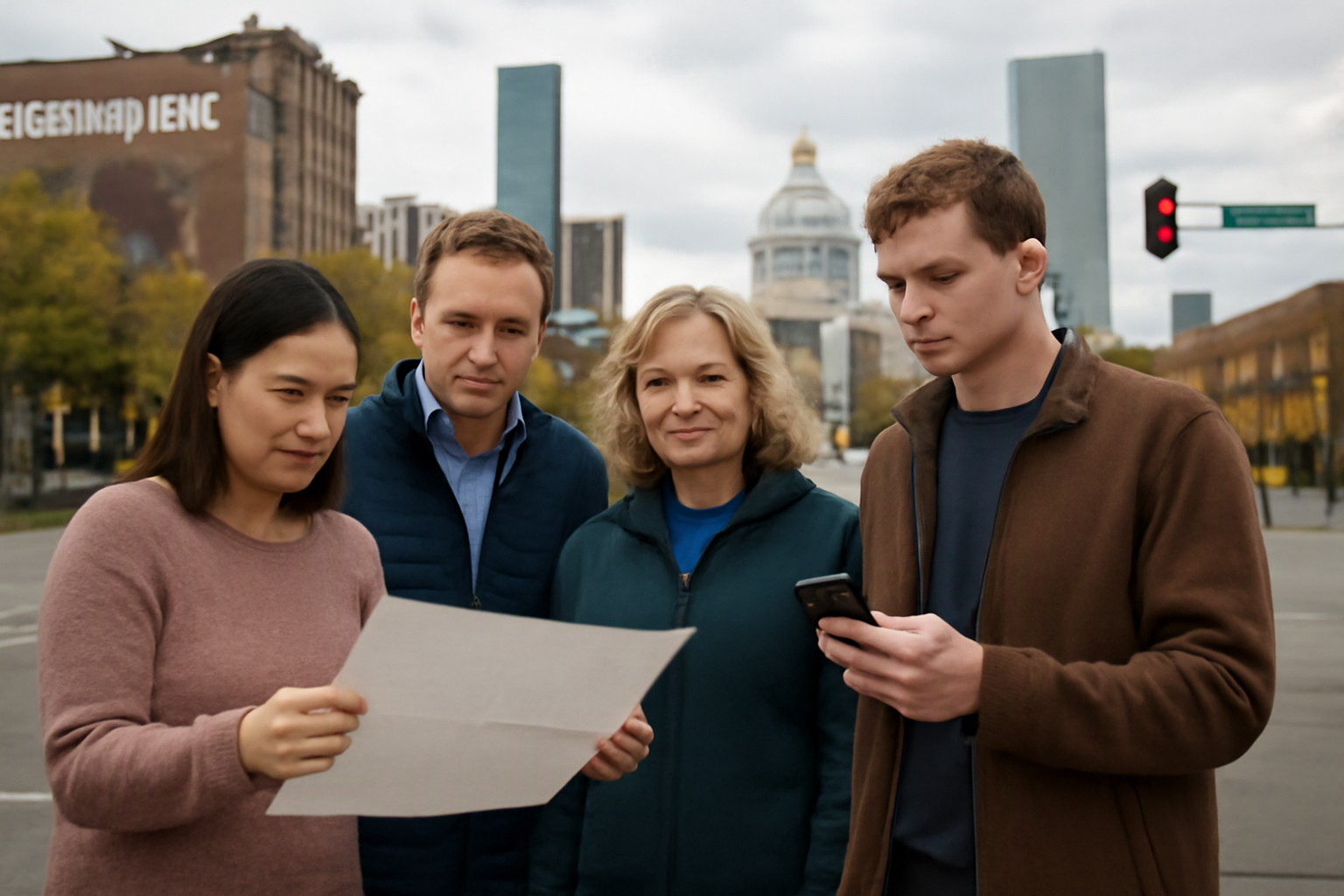
On a brisk November evening in Minneapolis, the air is filled with a sense of anticipation as residents gather in living rooms and community centers, eyes glued to the television screens. Families huddle together, discussing the implications of the election results, which will shape their community for years to come. As the clock ticks closer to 8 p.m., the weight of decision-making looms large, echoing the age-old American belief in democracy and the power of individual voices.
As Minnesota prepares to unveil its election results, it is important to recognize the broader context surrounding these decisions. Historically, Minnesota has been a state characterized by its civic engagement and commitment to community values. Voter turnout often reflects this dedication, with residents keen to participate in shaping policies that affect their families and neighborhoods.
In the 2022 midterm elections, Minnesota saw a turnout of over 79%, one of the highest in the nation. This enthusiasm is not merely a reflection of political allegiance but a testament to the importance of local issues in the lives of everyday citizens. As ballots are counted, four key themes emerge that will guide the interpretation of the results.
First, the ongoing conversation around public safety continues to resonate deeply within communities. Following a tumultuous period marked by social unrest, residents are increasingly concerned about how elected officials will address crime and community safety. Candidates' stances on law enforcement funding, community programs, and crime prevention strategies are likely to be pivotal in determining voter preferences.
Second, education remains a cornerstone issue. With the Minneapolis Public Schools district facing challenges ranging from funding disparities to academic achievement gaps, voters are keenly aware of how their choices will impact the future of local education. Candidates who prioritize equitable access to quality education are likely to resonate with families across the state.
The third theme centers around health care access and affordability. The COVID-19 pandemic has underscored the importance of robust health systems and the need for affordable care options. As voters evaluate candidates, their positions on health care reform and public health initiatives will play a critical role in shaping their decisions.
Lastly, economic recovery and job creation remain at the forefront of voters' minds. The pandemic's economic fallout has left many families struggling, and candidates who offer clear plans for job growth and support for local businesses are likely to gain traction. The importance of stable employment cannot be overstated, as it directly impacts the ability of families to thrive.
As the results begin to trickle in, local leaders and residents express their hopes and concerns. Community activist Sarah Johnson, a mother of three, emphasizes the need for candidates to prioritize public safety: "We need to feel safe in our neighborhoods, and that starts with strong leadership that listens to our concerns." Her sentiment is echoed by many who seek reassurance that their families will be protected.
Meanwhile, educators like Mark Thompson, a high school teacher in Minneapolis, are closely watching the education-related outcomes. "Our students deserve the best opportunities, and I hope we see leaders who are dedicated to improving our schools," he states passionately. The community's collective voice will be crucial in determining the direction of education policy in the coming years.
The implications of these election results for families across Minnesota are profound. As decisions are made, the focus on community values, family stability, and educational equity will shape the future landscape. Families are not just passive observers; they are active participants in the democratic process, and their voices must be heard.
In a state known for its commitment to strong marriages and intact families, the outcomes of this election could either strengthen or challenge the fabric of community life. The choices made by elected officials will directly impact family dynamics, from education policies that foster growth to economic initiatives that provide job security.
As Minnesotans await the final results, it is essential to have access to reliable resources that can help interpret the implications of the election. The Minnesota Secretary of State's website offers comprehensive information on election results, including breakdowns by district and demographic data. Additionally, local organizations such as the Minnesota Chamber of Commerce provide valuable insights into how election outcomes will affect local businesses and economic initiatives.
Furthermore, community groups like Minneapolis Regional Chamber focus on advocacy and support for families, ensuring that their voices are represented in the political discourse. Engaging with these resources will empower residents to understand the broader implications of their choices.
As the election results are finalized, the focus will shift to implementation and the actions taken by newly elected officials. Will they prioritize the issues that matter most to families, such as education, public safety, and economic recovery? The community will be watching closely, ready to hold leaders accountable.
In the coming weeks, town hall meetings and community forums will provide opportunities for residents to engage with their elected officials, fostering a dialogue that reflects the values of commitment and unity. The journey of interpreting these election results is not merely about numbers; it is about the real lives impacted by the decisions made in the halls of power.
In Minneapolis, civic engagement is not just a catchphrase; it is a way of life. Many residents view their participation in elections as a civic duty, one that extends beyond the ballot box. Organizations such as the League of Women Voters Minnesota work tirelessly to educate voters about the electoral process, ensuring that every voice is heard and valued. Their efforts in organizing voter registration drives and providing nonpartisan information about candidates and issues are crucial in fostering an informed electorate.
Local leaders, including city council members and community organizers, often emphasize the importance of grassroots movements in shaping policy. Many believe that the real change comes from the ground up, where community members band together to advocate for their needs and desires. This election cycle has seen an increase in such movements, particularly among younger voters who are eager to see their perspectives represented in local governance.
As the dust settles from the election, the real work begins. Newly elected officials will face the challenge of translating campaign promises into actionable policies. Community members will be looking for transparency and accountability as these leaders navigate the complexities of governance. Regular updates from elected officials on their progress and challenges will be critical in maintaining public trust.
Moreover, the community's role does not end with the election. Active participation in local governance through public comment periods, advisory committees, and community boards will be essential in ensuring that the needs of families are prioritized. As residents engage with their leaders, they will not only help shape policies but also foster a sense of collective responsibility that strengthens the community as a whole.
By Katherine Langford

By Marcus Chen

By Katherine Langford

By Katherine Langford