
Sports
Vikings Pull the Next Lever, Make 2 Moves to Shore Up Depth
By Katherine Langford
Advertisement · Why this ad?
Katherine oversees editorial operations across all six brands. Before joining The Meridan Group, she spent 14 years at the Minneapolis Star Tribune, where she led the metro desk through its digital transformation. She holds a Master's in Journalism from Northwestern's Medill School.
More from Katherine →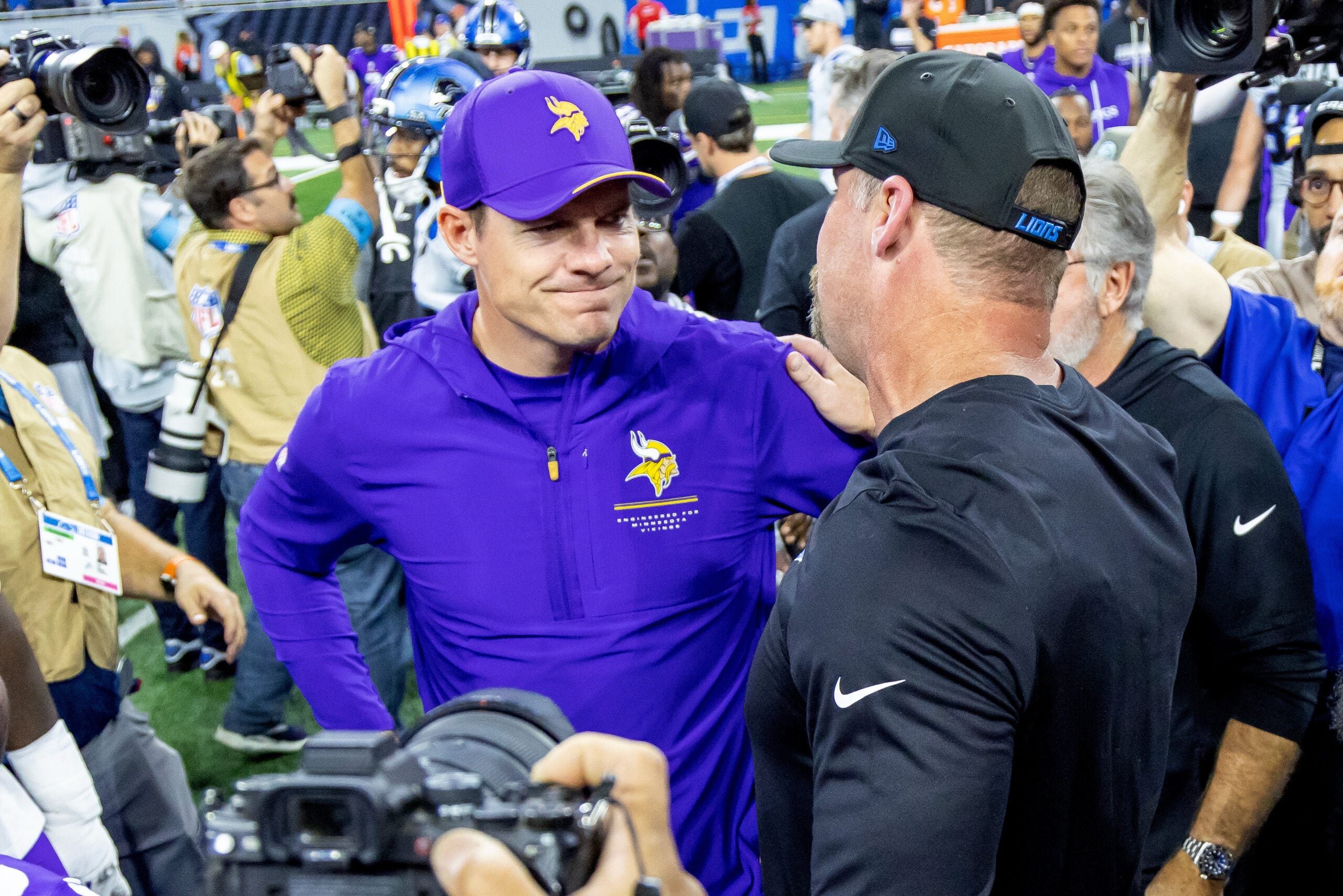
The Minnesota Vikings are facing a critical juncture in the 2026 season, as their offense continues to struggle despite boasting a roster brimming with talent. With the team ranking near the bottom of the NFL in key offensive categories, a potential shift in Kevin O’Connell’s role as head coach is gaining traction – specifically, the possibility of surrendering play-calling duties. This ‘nuclear option,’ while drastic, is being seriously considered if quarterback Kirk Cousins fails to spark a revival.
Minnesota's Vikings have long been a source of pride for the community, embodying the values of hard work and perseverance. The team’s performance isn’t just about wins and losses; it’s deeply intertwined with the city’s identity. Generations of Minneapolitans have grown up cheering on the Vikings, and the team represents a shared sense of belonging and hope. However, the current offensive struggles are casting a shadow over that pride. The team's ranking – 2,134 Yards Gained (32nd in NFL), 146 Points Scored (29th in NFL), 8 Passing TDs (27th in NFL), and 3 Rushing TDs (32nd in NFL) – paints a stark picture of underperformance. These aren't just numbers; they represent missed opportunities, frustrated fans, and a growing sense of uncertainty about the team’s future.
The acquisition of Kirk Cousins was intended to address these issues, bringing a veteran presence and presumed stability to the quarterback position. However, his performance so far has left many questioning whether he can truly be the savior the Vikings desperately need. This isn't simply about Cousins' individual play; it's about the ripple effect his struggles have on the entire offense and the team’s overall morale. The pressure on him is immense, and the weight of expectation is palpable throughout the Twin Cities.
As Tom Rudelius of Vikings Territory noted in a recent article, “Barring such a QB trade, the only path forward is to hand over playcalling duties to someone else. Kevin O’Connell can continue to be the head coach and culture-setter for the Vikings, but at this point, even an unproven offensive playcaller like OC Wes Phillips is preferable.” Rudelius' assessment reflects a growing sentiment among analysts and fans alike: that a change in approach is necessary, even if it’s a risky one.
If O’Connell were to relinquish play-calling responsibilities, the most likely candidates to step in would be OC Wes Phillips or assistant head coach Frank Smith. Phillips, while possessing some familiarity with the system, carries the uncertainty of an unproven track record. Smith, with his experience as an offensive coordinator in Miami, represents a potentially more stable option. His time in Miami exposed him to different offensive philosophies and approaches, which could bring a fresh perspective to the Vikings’ attack.
The community understands the gravity of the situation and the potential consequences of inaction. The Vikings have a long history of success, but recent years have been marked by inconsistency and disappointment. Fans are yearning for a return to the glory days, and they're willing to consider unconventional solutions to achieve that goal. The conversation surrounding O’Connell’s potential relinquishment of play-calling duties highlights the depth of frustration and the desire for change.
The Vikings’ upcoming Week 10 game against the Green Bay Packers is a pivotal moment. A loss would drop the team to a 6-3 record and initiate a concerning three-game losing streak. This isn't just about the win-loss record; it's about momentum and confidence. A losing streak at this point in the season could be devastating to the team’s playoff aspirations and could further erode fan morale. The game also represents an opportunity for the coaching staff to evaluate their approach and make necessary adjustments.
The potential shift in play-calling isn't just a football decision; it’s a reflection of the broader challenges facing the Vikings organization. The team is under immense pressure to perform, and the stakes are higher than ever. The community is watching closely, hoping to see a spark of hope and a return to winning ways. Fans can stay informed about the latest developments by visiting PurplePTSD: [https://www.purpleptsd.com/](https://www.purpleptsd.com/).
The offensive statistics are truly alarming, and it’s crucial to understand the context behind them. While the special teams unit and the defense have been performing admirably, they can only do so much to compensate for a struggling offense. The Vikings' inability to consistently move the ball and score points is a fundamental problem that needs to be addressed. The low number of touchdowns, both passing and rushing, indicates a lack of explosiveness and an inability to finish drives. The low yardage gained underscores a problem with both scheme and execution.
Analyzing these numbers through a site like Pro Football Reference [https://www.pro-football-reference.com/teams/min/2026.htm](https://www.pro-football-reference.com/teams/min/2026.htm) provides a clear picture of the team’s struggles, but it also highlights the potential for improvement. With a few key adjustments, the Vikings could significantly elevate their offensive performance.
Kevin O’Connell isn’t likely to readily relinquish control of play-calling, a responsibility he clearly values. However, the undeniable reality is that the current approach isn't working. The team needs to find a way to unlock the potential of its players and generate consistent offensive production. This may require a shift in strategy, even if it means sacrificing some of O’Connell’s direct influence on the game.
If O’Connell steps back from play-calling, he can focus on what he does best: building team culture, fostering player development, and providing strategic leadership. He can empower other coaches to take ownership of specific areas of the game, while ensuring that everyone is working towards a common goal. This shift would require a high degree of trust and collaboration within the coaching staff.
The Vikings’ journey is far from over. With the support of their community and a renewed commitment to excellence, they can overcome these challenges and return to their rightful place among the NFL’s elite. Fans can stay informed about the latest developments by visiting PurplePTSD: [https://www.purpleptsd.com/](https://www.purpleptsd.com/).
The Vikings are more than just a football team; they are a symbol of Minneapolis and the surrounding region. Their struggles have a ripple effect, impacting local businesses, tourism, and the overall morale of the community. A successful Vikings season can bring a sense of unity and pride to the Twin Cities, while a losing season can leave fans feeling disappointed and disheartened.
Looking ahead, the Vikings face a critical offseason. Regardless of how the current season unfolds, the team will need to make significant changes to its offensive approach. This may involve re-evaluating the coaching staff, adjusting the play-calling strategy, or even making changes to the roster. The decisions made in the coming months will have a profound impact on the team’s future success.
By Katherine Langford
By Marcus Chen
By Marcus Chen

By Marcus Chen