Government
Council dissolves safety office; violence interrupters say it failed them
By Katherine Langford
Advertisement · Why this ad?
Katherine oversees editorial operations across all six brands. Before joining The Meridan Group, she spent 14 years at the Minneapolis Star Tribune, where she led the metro desk through its digital transformation. She holds a Master's in Journalism from Northwestern's Medill School.
More from Katherine →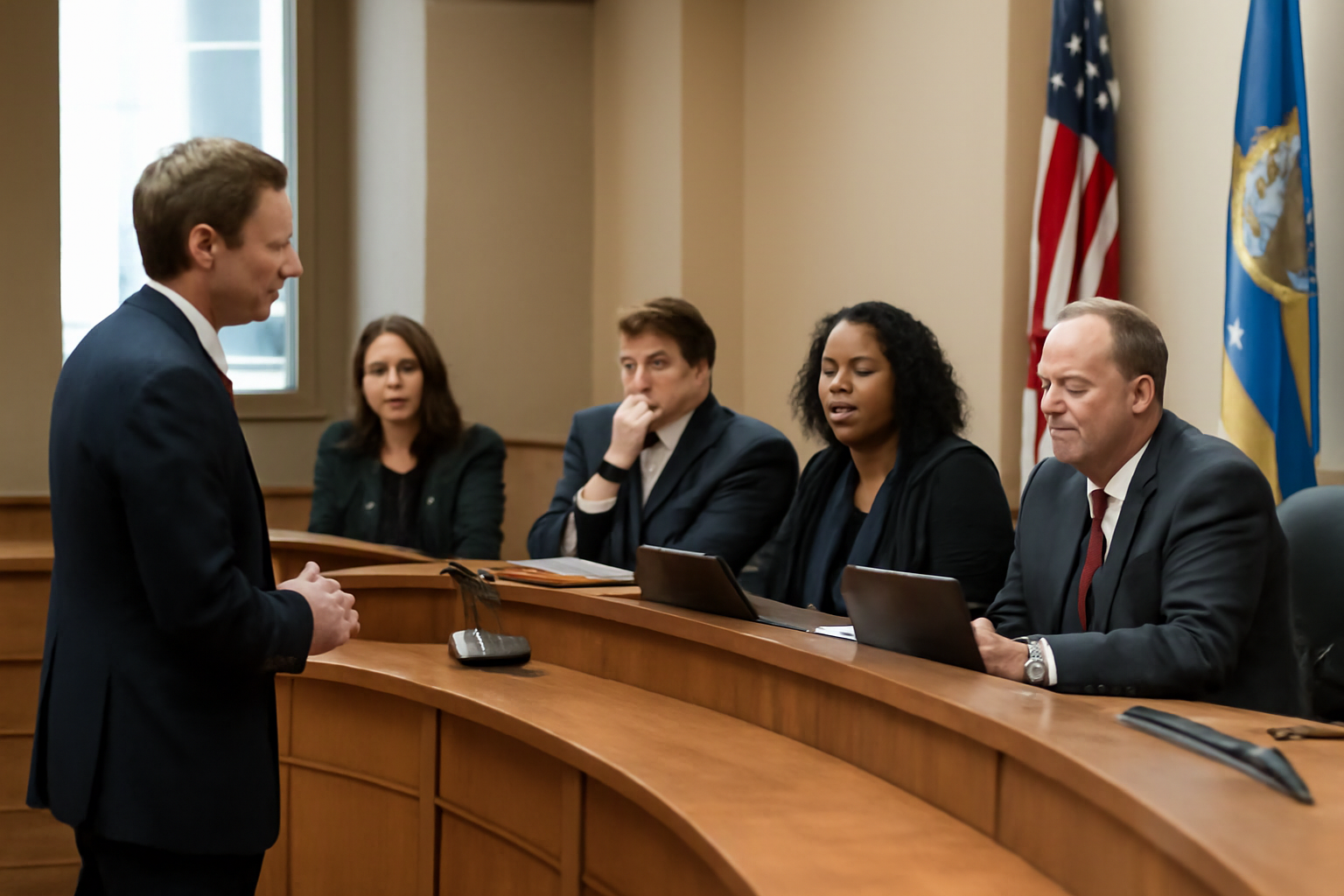
As the sun set over Minneapolis, the city council chambers buzzed with anticipation. Residents packed the room, eager to witness the confirmation hearing for Interim Police Chief Bill Peterson. Among the crowd were families, community leaders, and advocates, all hoping for a new chapter in the city’s approach to public safety. The stakes were high, as Peterson needed at least seven votes from the Minneapolis City Council to solidify his position permanently.
During the recent confirmation hearing, Interim Chief Bill Peterson faced a rigorous questioning from city council members. The council’s inquiries reflected a community grappling with the challenges of policing in a post-George Floyd world. Peterson, who has served as interim chief since the departure of former Chief Medaria Arradondo, emphasized his commitment to community engagement and transparency in policing practices.
The council’s scrutiny was palpable, as members sought clarity on Peterson’s plans to address crime rates and rebuild trust between the police and the communities they serve. "We need to see actionable steps and real change," remarked Council Member LaTrisha Vetaw, highlighting the urgency felt by many constituents. Peterson responded with a promise to prioritize community policing and enhance officer training.
Peterson’s nomination comes at a critical time for Minneapolis, as the city continues to navigate the aftermath of civil unrest and calls for police reform. The Minneapolis Police Department has faced intense scrutiny since the murder of George Floyd in May 2020, leading to widespread protests and a national conversation about systemic racism and policing practices.
The city council’s decision on Peterson’s confirmation is not merely procedural; it represents a pivotal moment in the city’s ongoing efforts to reshape its law enforcement strategies. As the council deliberates, they are well aware of the expectations from the community for a leader who can foster a positive relationship between the police and residents.
The choice of police chief in Minneapolis transcends the individual’s qualifications; it is a reflection of the city’s values and priorities. The Minneapolis community has been vocal about the need for a police chief who not only understands the complexities of policing but also embodies a vision that aligns with the community’s aspirations for safety and justice. Peterson's leadership style, which emphasizes collaboration and outreach, will be crucial in determining how effectively he can implement reforms.
Moreover, the police chief's role in Minneapolis is particularly significant given the ongoing national scrutiny of police practices. The city has become a focal point in discussions about police reform, and Peterson’s confirmation could either bolster or hinder progress in this area. As Minneapolis looks to redefine its relationship with law enforcement, the implications of this decision will resonate far beyond the city limits.
Community members have expressed a mix of hope and skepticism regarding Peterson’s potential confirmation. Many residents, particularly those in historically marginalized neighborhoods, are eager for a police chief who understands their concerns and is committed to reform. Local activist groups have voiced their desire for accountability and transparency from the police department.
“We need a chief who will listen to us, not just talk at us,” said Maria Gonzalez, a community organizer. “The community needs to feel safe and respected, and that starts with leadership that values our voices.” This sentiment was echoed by numerous attendees at the confirmation hearing, who urged the council to prioritize community input in their decision-making processes.
As the hearing progressed, various community members took the opportunity to voice their opinions during public comment. Some praised Peterson's experience within the department, while others raised concerns about his ability to implement necessary reforms. “Change is hard, but it’s essential,” stated local pastor Michael Johnson. “We need someone who can bridge the gap between the police and the community.”
Additionally, local youth leaders expressed their desire for a police chief who prioritizes the safety and well-being of young people. “We want to see more programs that engage youth in positive ways, not just policing them,” said 17-year-old activist Jamal Turner. His perspective highlights the need for a chief who can connect with younger generations and understand their unique challenges.
Looking ahead, the Minneapolis City Council is expected to vote on Peterson’s confirmation in the coming weeks. Council President Andrea Jenkins has emphasized the importance of this decision, noting that it will set the tone for the city’s approach to public safety moving forward. “This is not just about one individual; it’s about the future of our community,” Jenkins remarked, underscoring the gravity of the situation.
Should Peterson be confirmed, he will face the immediate challenge of addressing rising crime rates while also working to restore public trust in the police. The council's decision will likely influence not only the police department's internal culture but also the broader community’s perception of law enforcement in Minneapolis.
Moreover, Peterson will need to engage with various stakeholders, including community organizations, local businesses, and residents, to develop a comprehensive strategy that addresses crime while fostering a culture of accountability. Engaging with the community will be essential in determining the success of any initiatives he implements.
Residents seeking to engage with the police department or learn more about community safety initiatives can access a wealth of resources. The Minneapolis Police Department’s official website offers information on community policing programs, safety tips, and ways to connect with local officers. Additionally, organizations such as the Minneapolis Community Safety Coalition provide platforms for residents to voice their concerns and participate in public safety discussions.
Furthermore, the Minneapolis City Council’s website includes details on upcoming meetings, agendas, and opportunities for public comment, allowing residents to stay informed and engaged in the decision-making process. By fostering open lines of communication, the city aims to rebuild trust and ensure that all voices are heard in shaping the future of public safety.
As the confirmation process for Interim Chief Bill Peterson unfolds, the Minneapolis community stands at a crossroads. The decision of the city council will reverberate beyond the walls of city hall, impacting the lives of residents and the future of policing in the city. With a collective hope for a safer and more just Minneapolis, residents are watching closely, eager to see how their leaders will navigate this pivotal moment. As the community continues to engage in dialogue about public safety, the importance of accountability, transparency, and collaboration remains at the forefront of the conversation.
By Katherine Langford

By Katherine Langford

By Marcus Chen

By Katherine Langford