
Dining
Watch: Suspected drunk driver crashes truck into California restaurant
By Marcus Chen
Advertisement · Why this ad?
Katherine oversees editorial operations across all six brands. Before joining The Meridan Group, she spent 14 years at the Minneapolis Star Tribune, where she led the metro desk through its digital transformation. She holds a Master's in Journalism from Northwestern's Medill School.
More from Katherine →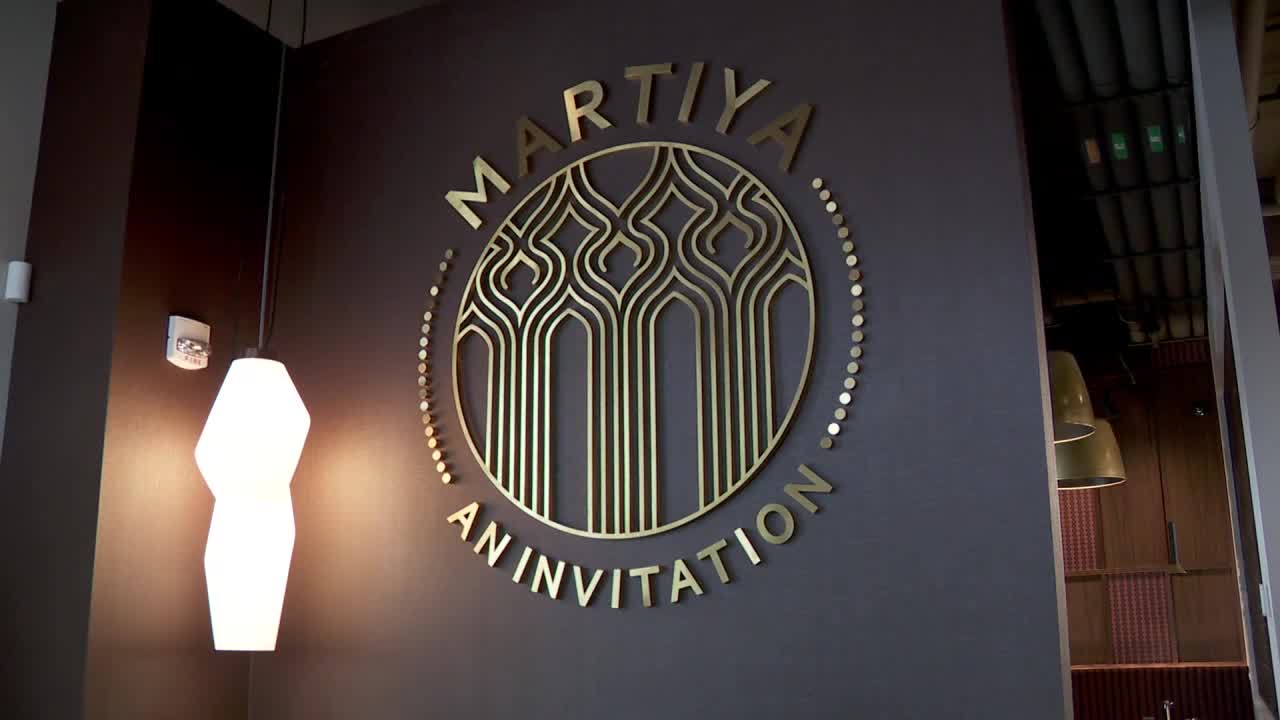
On a crisp October evening, the aroma of spiced lamb and fragrant rice wafts through the air, inviting passersby to step inside Martiya, the newly opened fine-dining Somali restaurant in Minneapolis. As guests enter, they are greeted with warm smiles and a vibrant ambiance that reflects the rich culture of East Africa. Owner Abdirahman Kahin has created not just a restaurant but a gathering place for the community, a dream he has nurtured for years.
Martiya officially opened its doors in the Lyndale area of Minneapolis, marking a significant milestone as the first fine-dining Somali restaurant in Minnesota. Located near the bustling intersection of Nicollet and West Lake Street, the restaurant aims to provide an upscale dining experience that highlights the flavors of Somali cuisine alongside innovative fusion dishes. Kahin emphasizes that Martiya is designed to be more than just a place to eat; it is a space for connection and celebration within the East African community.
“We have a huge, large East African community in the Twin Cities, and we did not have any sit-down or upscale fine dining,” Kahin explained. His vision for Martiya emerged from a desire to fill this gap, creating a venue where families and friends can gather to enjoy authentic Somali food.
The name 'Martiya' is derived from the Somali word 'Marti,' meaning 'guest.' This concept is central to Kahin's mission: to make every patron feel like a welcomed guest in a home. “It’s not only just a restaurant, but it’s a guest house where you can invite your friends,” he said, capturing the essence of hospitality that defines Somali culture.
At Martiya, the menu is a celebration of Somali culinary traditions, featuring dishes that are both familiar and unique. Guests can expect to find traditional favorites such as Somali Recipes (spiced rice) and Somali Recipes (stewed meat), alongside innovative fusion creations that reflect Kahin’s personal journey and experiences. The head chef, trained in Michelin-starred kitchens, brings a wealth of knowledge and expertise, ensuring that each dish is crafted to perfection.
“Coming into this space, as you see, it’s a very inviting space. And then food will complete that experience,” Kahin stated. The restaurant's interior is designed to be warm and welcoming, with thoughtful decor that pays homage to Somali heritage while providing a modern dining atmosphere.
In addition to its regular menu, Martiya also offers event space for gatherings, making it an ideal location for family celebrations, community events, and cultural gatherings. Kahin recognizes the importance of having a venue that can accommodate the diverse needs of the community, stating, “A lot of the time we don’t find space that can accommodate everybody, especially the way you want things.”
The opening of Martiya is more than just a culinary addition to Minneapolis; it is a cultural landmark for the East African community. Kahin's commitment to showcasing Somali cuisine and fostering community ties is evident in his approach to the restaurant. “A lot of chefs in the Twin Cities are doing the same thing, and they’re doing from other cultures, like the Hmong culture, the Vietnamese culture, the Chinese culture, the native culture,” he noted. “So it was about time to have an East African/Somali dining space to join the new scene of Minnesota food.”
As the Twin Cities continue to evolve, Martiya stands as a testament to the richness of cultural diversity and the importance of representation in the culinary landscape. Kahin’s vision has resonated with many, and the restaurant has quickly become a gathering place for both Somali families and those eager to explore new flavors.
Local leaders and community members have expressed their excitement about the restaurant’s opening, recognizing it as a step forward in promoting cultural understanding and appreciation. The presence of Martiya not only provides a new dining option but also serves as a bridge between different communities, fostering dialogue and connection through food. Community activist Fatima Ali stated, “This restaurant is a celebration of our culture and a space where we can share our stories with others.”
Martiya also plays a crucial role in empowering local Somali businesses by sourcing ingredients from nearby suppliers, thereby supporting the local economy. Kahin is committed to creating a sustainable business model that benefits not only his restaurant but the community as a whole.
As Martiya settles into its role within the Minneapolis dining scene, Kahin is optimistic about the future. He envisions the restaurant as a hub for cultural exchange and a platform for showcasing the richness of Somali heritage. “We want to create a space where people can come together, share stories, and enjoy great food,” he shared.
In the coming months, Martiya plans to host special events that highlight Somali culture, including traditional music nights, cooking classes, and storytelling events. These initiatives aim to engage the community further and provide opportunities for individuals to learn about and appreciate the culinary traditions of Somalia. Kahin expressed his hope that these events will attract not only Somali patrons but also those from diverse backgrounds, fostering a sense of unity.
Moreover, Kahin hopes to inspire aspiring chefs from the community, encouraging them to explore the culinary arts and consider a career in the restaurant industry. By providing mentorship and support, he aims to cultivate the next generation of culinary talent within the East African community. “I want to show young people that they can follow their passion and make it a reality,” he said.
For those interested in experiencing the flavors of Martiya, the restaurant is open for lunch and dinner, welcoming guests to explore its diverse menu. Additionally, Kahin encourages community members to participate in upcoming events and to share their stories and experiences. “The more we share, the more we learn from each other,” he noted.
To stay updated on Martiya's events and offerings, individuals can follow the restaurant's social media accounts or visit its website. Engaging with local organizations that promote cultural understanding and culinary education can also enhance the community’s connection to the restaurant and its mission. Local organizations, such as the Somali American Cultural Society, have expressed interest in collaborating with Martiya, further solidifying its role as a community hub.
As Martiya continues to thrive, it stands as a beacon of hope and unity, celebrating the beauty of diversity through food. Abdirahman Kahin’s vision is not just about serving meals; it is about creating a lasting impact on the community and fostering a sense of belonging for all.
By Marcus Chen

By Marcus Chen

By Marcus Chen

By Katherine Langford