Community
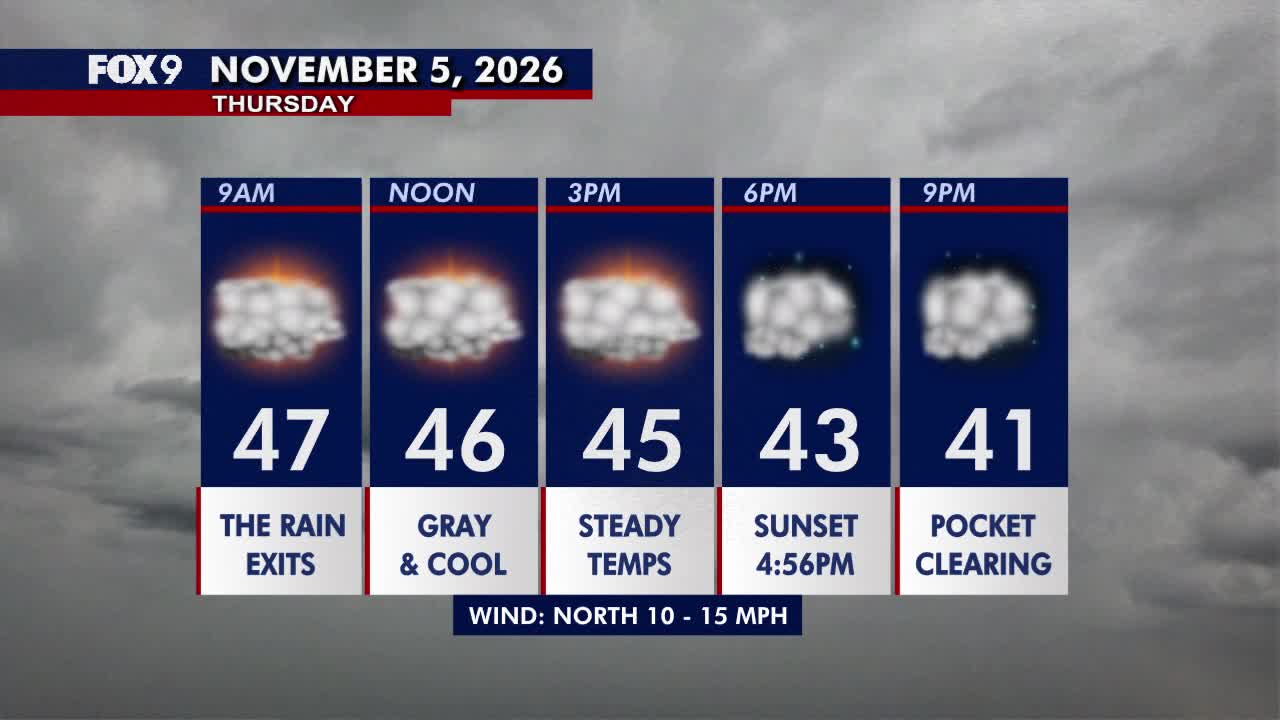
Minnesota weather: Finally drying out for a cloudy and cool Thursday
By Katherine Langford
Advertisement · Why this ad?
Katherine oversees editorial operations across all six brands. Before joining The Meridan Group, she spent 14 years at the Minneapolis Star Tribune, where she led the metro desk through its digital transformation. She holds a Master's in Journalism from Northwestern's Medill School.
More from Katherine →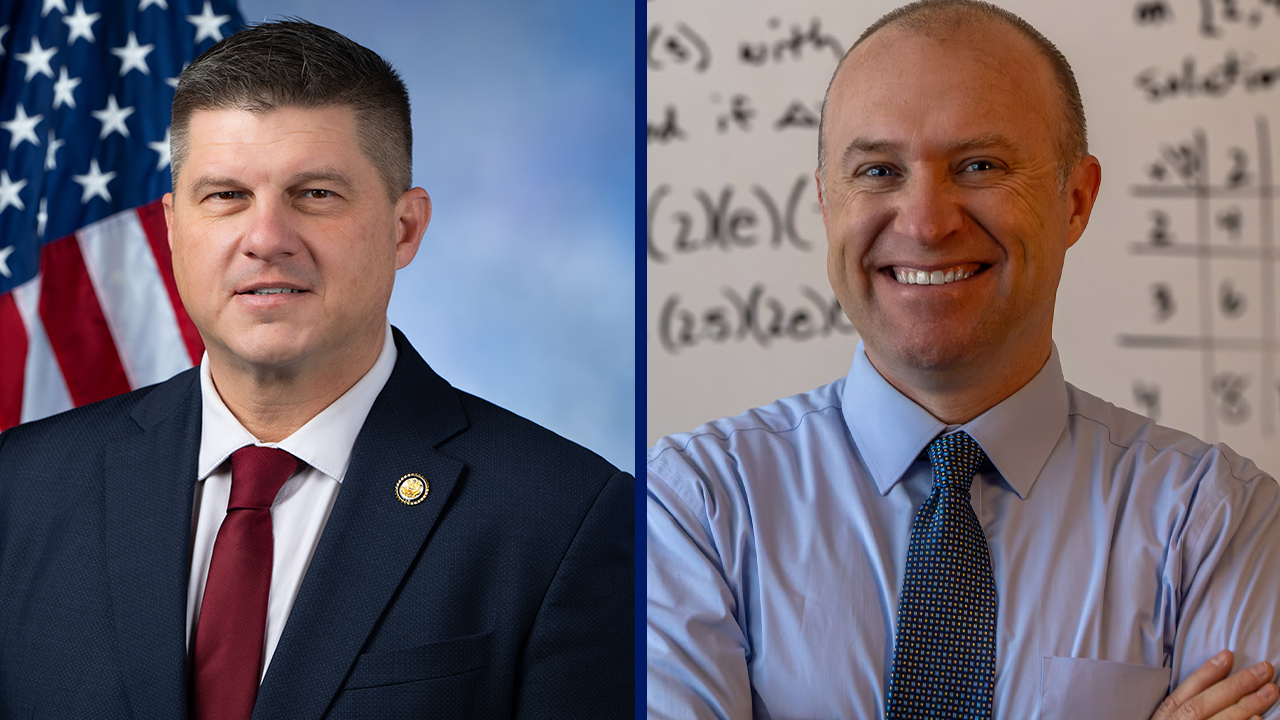
In the quiet aftermath of the November elections, a palpable tension hangs over southern Minnesota's 1st Congressional District. As the sun set on a brisk evening in Rochester, Democrat Jake Johnson stood before supporters, his voice steady as he declared victory over incumbent Republican Rep. Brad Finstad. With a lead of just 323 votes, or 0.1%, the moment felt both triumphant and uncertain. Johnson, a local math teacher, had unseated a sitting congressman in a district that many believed was firmly in Republican hands. But the narrow margin leaves the door open for a recount, a process that could reshape the political landscape in this region.
On November 4, 2023, Jake Johnson announced his victory in the tightly contested race for Minnesota's 1st Congressional District. As the unofficial results came in, Johnson's campaign celebrated the 323-vote lead, a margin that, while slim, was significant enough to spark discussions about the possibility of a recount. Under Minnesota law, a candidate can request a publicly funded recount if the margin is less than 0.25%. However, unlike many states, Minnesota does not automatically trigger a recount; the losing candidate must actively request one.
The Minnesota Secretary of State's Office confirmed that no recount can commence until after the State Canvassing Board meets on November 19. As of the last update, Finstad had not made a public statement regarding whether he would pursue a recount. The outcome remains officially undetermined, as the canvassing board is tasked with reviewing the election results before any recount can take place.
Johnson's victory is particularly noteworthy given the district's historical voting patterns. For years, the 1st Congressional District has leaned Republican, leading many to view Finstad's seat as secure. Yet, Johnson's campaign resonated with voters, many of whom felt overlooked by traditional Republican campaigning. Eli Martin, a local voter, remarked on the complacency he perceived in the Republican strategy, suggesting that a lack of engagement had contributed to the election's surprising outcome.
The recount process in Minnesota is meticulous and designed to ensure electoral integrity. If Finstad decides to request a publicly funded recount, election officials will hand-check every ballot to verify the results. This process is critical, especially in instances where machine errors may have occurred, such as when voters inadvertently mark their choices incorrectly.
According to the Secretary of State's Office, county canvassing boards will begin reviewing the election results between November 6 and November 13. Following this review, candidates have a limited timeframe—48 hours for a publicly funded recount or five days for a discretionary recount—to submit their requests. Transparency is a cornerstone of the recount process; candidates and observers can witness the recount but cannot physically handle the ballots.
Historically, Minnesota has seen its share of recounts, with 34 occurring since 2000. The most notable recount in recent memory was the 2008 U.S. Senate race, where a slim margin led to a protracted legal battle that ultimately resulted in Al Franken defeating Norm Coleman by a mere 225 votes after a recount. This history underscores the potential for close races to dramatically shift outcomes and highlights the importance of every single vote.
The community's response to Johnson's victory has been mixed, reflecting the district's diverse political landscape. Many supporters celebrated the result as a sign of change, while others expressed concern over the implications of a Democratic representative in a traditionally Republican area. Johnson's supporters see his victory as a validation of their voices, particularly among younger voters and those seeking a more progressive agenda.
Conversely, Finstad's supporters remain hopeful that a recount could reverse the outcome. The stakes are high, as the 1st Congressional District has significant influence over agricultural policy, healthcare, and education—issues that resonate deeply with local families. The potential for a recount has left many residents on edge, as they await clarity on who will represent them in Congress.
Johnson's campaign focused on key issues such as healthcare accessibility and education reform, which resonated with many constituents. His background as a math teacher provided a relatable narrative that helped him connect with voters. In contrast, Finstad's campaign emphasized traditional Republican values, appealing to long-standing voters who prioritize fiscal conservatism and limited government intervention.
The financial aspects of a recount are significant and can be a deterrent for candidates considering their options. Minnesota's policy stipulates that recounts are publicly funded only when the margin falls within the established threshold. If the margin exceeds this threshold, candidates may still request a discretionary recount but would be responsible for the costs themselves.
Political science expert David Schultz from Hamline University highlighted that recounts can be expensive, potentially costing hundreds of thousands of dollars. This financial burden can weigh heavily on candidates, particularly those with limited campaign resources. The financial implications extend beyond just the candidates; they also affect the local jurisdiction responsible for conducting the recount.
In the case of a successful discretionary recount that changes the election outcome, the jurisdiction must cover the costs. This creates a complex financial landscape that candidates must navigate in the aftermath of a close election. As Johnson's campaign asserts confidence in their lead, the prospect of a recount looms large, with both financial and electoral stakes at play.
As the November 19 meeting of the State Canvassing Board approaches, the community remains in a state of anticipation. Finstad's decision on whether to request a recount will be pivotal, not only for the candidates involved but for the constituents who are eager to understand who will represent them in Congress. Johnson's supporters are hopeful that the current results will hold, while Finstad's camp is preparing for the possibility of a recount.
This election has highlighted the importance of civic engagement and the power of each individual vote. As residents reflect on the implications of this race, many are reminded of the critical role that local representation plays in addressing community needs. The outcome of this election, whether it stands or is altered by a recount, will shape the future of the 1st Congressional District for years to come.
In a time when political divisions seem more pronounced than ever, this race serves as a reminder of the importance of commitment—to one’s community, to civic duty, and to the democratic process. As the dust settles, the residents of southern Minnesota will be watching closely, waiting for the final verdict on their next congressman.
By Katherine Langford

By Marcus Chen

By Marcus Chen

By Marcus Chen