Sports
Walz renaming Highway 610 to honor Hortman family
By Marcus Chen
Advertisement · Why this ad?
Katherine oversees editorial operations across all six brands. Before joining The Meridan Group, she spent 14 years at the Minneapolis Star Tribune, where she led the metro desk through its digital transformation. She holds a Master's in Journalism from Northwestern's Medill School.
More from Katherine →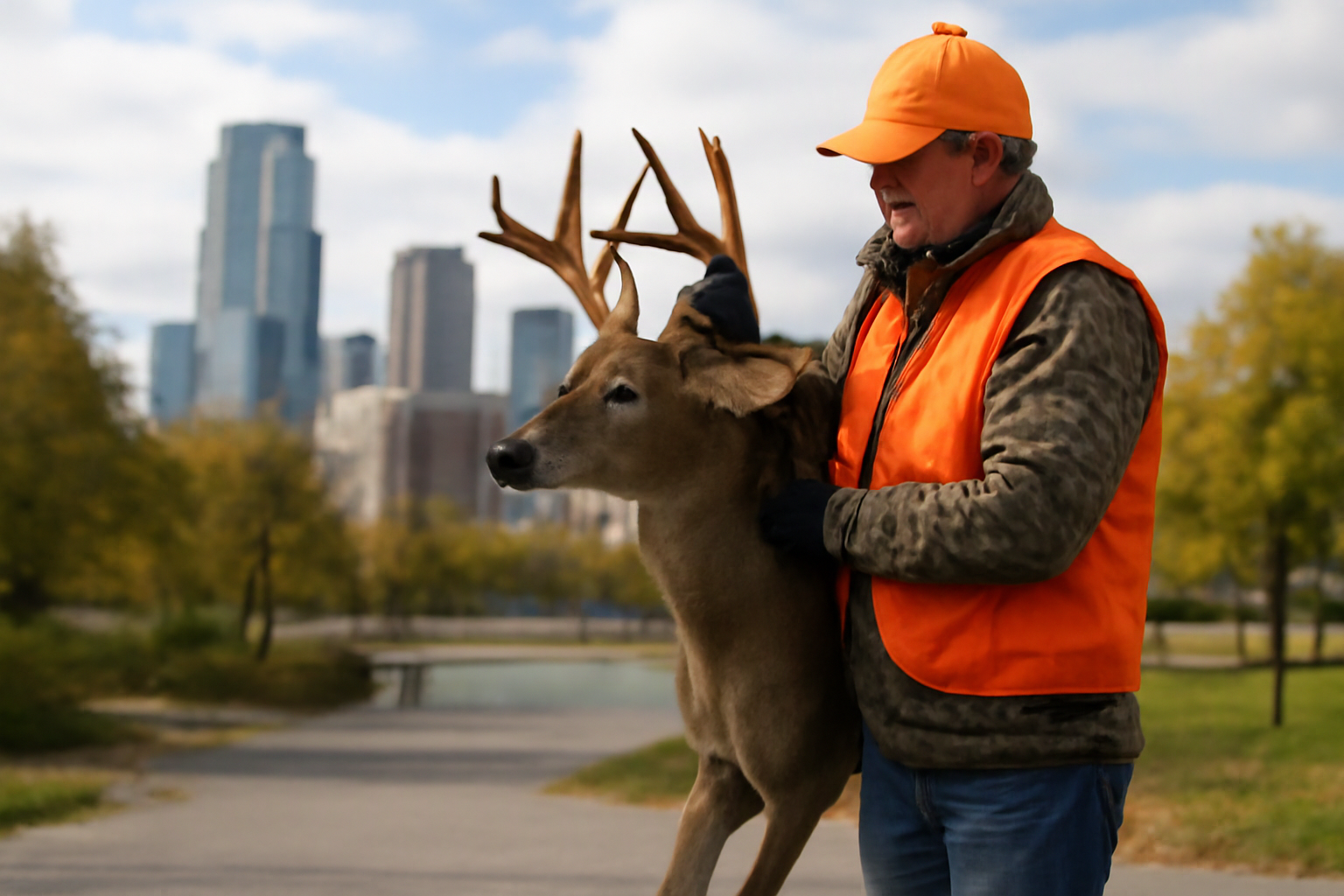
As the crisp autumn air sweeps through the Minnesota woods, the excitement of deer hunting season begins to stir among outdoor enthusiasts. Families gather at their deer camps, sharing stories and traditions that have been passed down through generations. For many, these moments are not just about the hunt; they are about bonding, building memories, and honoring a way of life that celebrates nature and community.
This year, the Minnesota Department of Natural Resources (DNR) has announced the results of the lottery for antlerless and special hunt permits. Winners can now check their status online, with postcards being mailed to successful applicants in early October. However, there is a notable change this year: there will be no surplus lottery antlerless permits available, a decision that has been made to manage deer populations more effectively.
The hunting season for 2026 is set to begin with the archery season running from September 19 to December 31, followed by various firearms hunts throughout November and a muzzleloader season from November 28 to December 13. These dates are crucial for hunters planning their outings, and the DNR encourages all participants to familiarize themselves with the new regulations and requirements.
Among the changes is the implementation of the Electronic Licensing System (ELS), which now includes updated group applications and harvest registration processes. This system aims to streamline the licensing process, allowing hunters to validate their kills using a mobile app or a paper form, replacing the previous requirement for physical carcass tagging. Such advancements reflect the DNR's commitment to modernizing hunting practices while ensuring compliance with wildlife management strategies.
The deer hunting tradition in Minnesota is deeply rooted in the state's culture, connecting families and communities. It fosters not only a sense of camaraderie but also encourages responsible wildlife management. As hunters prepare for the season, they are reminded of the importance of sustainable practices, particularly in light of the ongoing challenges posed by chronic wasting disease (CWD).
This year, Minnesota is implementing a four-year rotating statewide CWD surveillance plan, which mandates sampling for deer harvested in designated areas during the opening weekend of firearms season. While sampling is now voluntary in other management zones, the DNR emphasizes the importance of monitoring the health of deer populations to maintain a balanced ecosystem.
The DNR's decision to eliminate carcass movement restrictions in CWD management zones, while introducing new carcass disposal rules, has also sparked discussions among hunters. Many are concerned about the implications of these changes on deer health and population dynamics. Community forums and discussions are being organized to address these concerns, ensuring that hunters are informed and engaged in the conversation around wildlife management.
For many families, deer hunting is more than just a sport; it is a cherished tradition that strengthens familial bonds. The act of hunting together, whether it’s teaching the next generation the ropes or sharing stories around a campfire, reinforces values of commitment and responsibility. The DNR encourages hunters to share their deer camp experiences through photos and logs, further enriching the communal aspect of this beloved pastime.
As families gather for their annual hunts, they carry with them not only the hope of a successful outing but also the legacy of those who came before them. This shared experience cultivates a sense of pride and continuity, reminding participants of the importance of preserving these traditions for future generations. The DNR's initiatives to promote responsible hunting practices align with these values, emphasizing the role of hunters as stewards of the land.
Local hunters, such as the Johnson family from Brainerd, illustrate the significance of these traditions. For them, deer hunting is a rite of passage. Each year, they gather at their family cabin, where they set up camp, prepare meals together, and recount tales from previous hunts. “It’s not just about the deer; it’s about the time spent together, the laughter, and the lessons learned,” says patriarch Tom Johnson. This sentiment resonates with many families across Minnesota, where deer hunting serves as a focal point for family gatherings.
Community events, such as local deer hunting workshops and safety courses, further enhance these traditions. Organizations like the Minnesota Deer Hunters Association host events that not only teach safety and hunting skills but also foster connections among hunters. These gatherings become a platform for sharing knowledge about responsible hunting practices and the latest regulations, reinforcing the community's commitment to sustainable wildlife management.
Understanding the regulations surrounding deer hunting is paramount for both novice and seasoned hunters. The DNR has made it clear that all hunters must comply with specific guidelines, including the prohibition of baiting and the requirement to use legal equipment. Additionally, hunters are reminded that they may only possess and use non-toxic ammunition in certain designated areas.
Each deer harvested must be registered within 48 hours, and antlers must remain attached until registration is complete. The DNR provides multiple registration options, including online and through the MN DNR Licensing mobile app, making it easier for hunters to comply with these regulations. This focus on education and accessibility is crucial for ensuring that all hunters are aware of their responsibilities.
The DNR also highlights the importance of recognizing the difference between various deer classifications, such as adult males, fawn males, adult females, and fawn females. Understanding these distinctions is essential for hunters to make informed decisions and to adhere to the legal requirements set forth by the DNR.
As the 2026 deer hunting season approaches, the Minnesota DNR remains committed to fostering a responsible and sustainable hunting culture. The changes implemented this year reflect a proactive approach to wildlife management, emphasizing the need for community engagement and education. Hunters are encouraged to stay informed about updates and changes in regulations, as well as to participate in local discussions about deer management practices.
Moreover, the DNR’s focus on the health of deer populations through CWD surveillance and the modernization of licensing processes demonstrates a commitment to the future of hunting in Minnesota. As families prepare for their time in the woods, they are reminded of the shared responsibility they hold in preserving this tradition for generations to come.
In conclusion, the deer hunting season is not merely a time for sport; it is a celebration of family, community, and stewardship of the land. As Minnesotans take to the fields and forests, they carry with them the hope of a successful hunt, the joy of shared experiences, and a commitment to the values that make this tradition so vital to the state's culture.