Community
Police find two adults dead in North St. Paul home after responding to assault report
By Katherine Langford
Advertisement · Why this ad?
Katherine oversees editorial operations across all six brands. Before joining The Meridan Group, she spent 14 years at the Minneapolis Star Tribune, where she led the metro desk through its digital transformation. She holds a Master's in Journalism from Northwestern's Medill School.
More from Katherine →
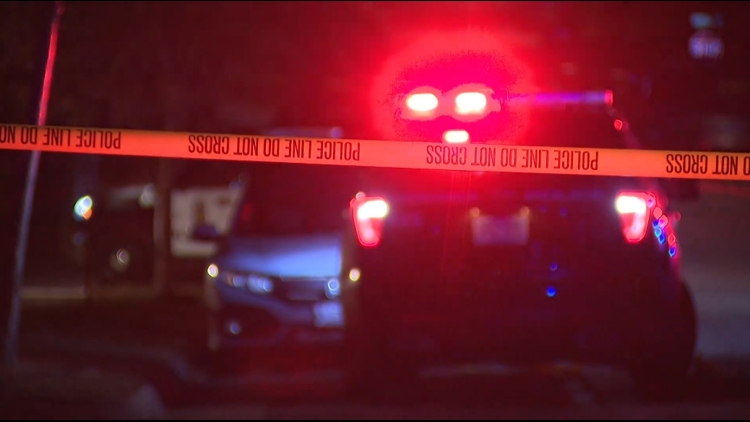
On a crisp Sunday evening in Minneapolis, the sound of laughter and conversation filled the air as friends gathered for a neighborhood party. The warmth of community spirit was palpable, but that tranquility was abruptly shattered. Just after 8:30 PM, gunfire erupted near the 3500 block of Main Street Northeast, leaving two individuals injured and a community grappling with the aftermath of violence.
Police were alerted to the scene following reports of a party that soon escalated into chaos. The call initially began as a request for assistance with a gathering, but it quickly transformed into a response to a shooting incident. Officers arrived promptly and discovered two victims suffering from gunshot wounds. The Minneapolis Police Department has not released the identities of those injured, but they are reported to be receiving treatment at local hospitals.
This incident marks yet another chapter in the ongoing conversation about gun violence in Minneapolis. According to the Minneapolis Gun Violence Prevention Initiative, the city has seen a troubling rise in shooting incidents over the past year, prompting community leaders and law enforcement to seek effective solutions.
The response from the community has been one of shock and concern. Local residents gathered at the scene, expressing their disbelief that such violence could erupt in their neighborhood. “This is a quiet area,” said one resident, who wished to remain anonymous. “We never expected something like this to happen here.”
Community leaders have echoed these sentiments, emphasizing the need for collective action to address the root causes of violence. “We must come together as a community and support one another,” stated City Councilmember Andrea Jenkins. “This is not just about policing; it’s about creating safe spaces for our families and children.”
As the investigation continues, residents are left to grapple with the fear and uncertainty that accompany such incidents. The Minneapolis community has a history of resilience, but the emotional toll of repeated violence can weigh heavily on families striving for stability and safety.
Gun violence in Minneapolis has become a pressing issue, with statistics indicating a significant increase in incidents over the past few years. According to the Minnesota Department of Public Safety, the state has experienced a 25% rise in gun-related crimes since 2020. This alarming trend has prompted city officials to explore various strategies aimed at reducing gun violence and fostering community trust.
Efforts such as community policing, youth engagement programs, and mental health resources are being prioritized as part of a comprehensive approach to tackling this issue. Yet, the challenge remains daunting, as the underlying factors contributing to gun violence—poverty, lack of access to education, and systemic inequality—persist.
In the wake of rising violence, several local initiatives have emerged aimed at fostering dialogue and understanding within the community. For example, the Minneapolis Community Engagement Initiative has been working to bridge gaps between law enforcement and residents. This program facilitates workshops and town hall meetings where residents can voice their concerns and collaborate with police on preventive measures.
Moreover, local organizations like the Youthprise are focusing on empowering young people through mentorship and educational opportunities. By investing in the youth, these initiatives aim to address the root causes of violence and create a more hopeful future.
The repercussions of gun violence extend far beyond the immediate victims. Families are left to navigate the emotional and psychological scars that such incidents leave behind. The fear of violence can disrupt the sense of security that families strive to maintain in their homes and neighborhoods.
For parents, the safety of their children becomes a paramount concern. Many families in Minneapolis are actively seeking ways to ensure their loved ones are safe, whether through community watch programs or by advocating for increased police presence in their neighborhoods. “We just want to feel safe in our own homes,” remarked a concerned mother of two, who lives nearby.
Moreover, the implications of gun violence can ripple through the community, affecting local businesses and schools. When violence occurs, it can deter families from participating in community events, leading to a decline in local engagement and investment. This cycle of fear can stifle the vibrancy that makes Minneapolis a unique and welcoming place.
In light of the recent shooting, various organizations are stepping up to provide support for those affected. The National Alliance on Mental Illness (NAMI) offers resources for individuals and families dealing with trauma and mental health challenges following violent incidents. Additionally, local churches and community centers are hosting gatherings to promote healing and dialogue among residents.
Efforts to foster unity and resilience are essential in the wake of such tragedies. Community leaders are urging residents to participate in local forums and discussions aimed at addressing the root causes of violence and exploring collaborative solutions. “We are stronger together,” said a local pastor, emphasizing the importance of faith and community in overcoming adversity.
As Minneapolis continues to confront the challenges posed by gun violence, the community is called to action. Residents are encouraged to engage in conversations about safety, support local initiatives aimed at violence prevention, and advocate for policies that address the systemic issues contributing to crime.
Ultimately, the goal is to create a safer environment for families to thrive. The recent shooting serves as a stark reminder of the fragility of peace within neighborhoods and the urgent need for collective responsibility. By fostering a culture of care and commitment, Minneapolis can aspire to be a city where families feel secure and supported.
In the days and weeks following the shooting, community leaders are working on organizing a series of community meetings to discuss safety and prevention strategies. These forums aim to gather input from residents on their experiences and suggestions for improving safety in their neighborhoods. Furthermore, local schools are planning to implement programs that focus on conflict resolution and peer mediation, aiming to equip students with the skills to handle disputes without resorting to violence.
As the investigation into the shooting unfolds, the community remains hopeful for healing and resolution. Together, residents can work towards a brighter future, one where love, faith, and commitment to one another prevail over fear and violence.
By Katherine Langford

By Katherine Langford

By Marcus Chen

By Marcus Chen